- info@kimballconstruction.com
- 541.357.7837
- 132 E. Broadway, Eugene, OR

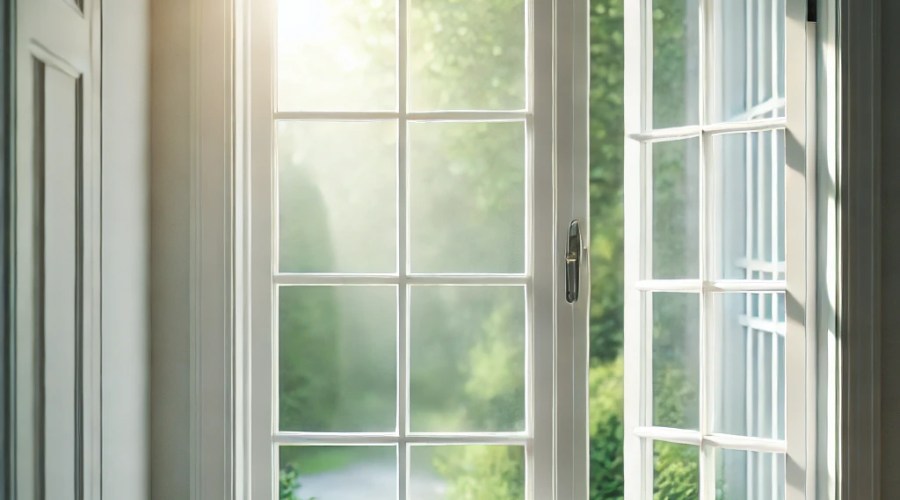
What To Expect: Selecting And Installation of Doors and Windows
When people plan new construction homes, they quickly learn that doors and windows shape how the home looks, feels, and performs. In fact, doors and windows guide light, airflow, safety, and daily comfort. Because doors and windows connect indoor and outdoor spaces, they influence both the style and the function of a house. Therefore, careful planning matters from the very beginning. Kimball Construction helps homeowners choose doors and windows that fit the design of the home while also supporting energy efficiency and long-term durability. As a result, families enjoy homes that feel bright, secure, and comfortable from the first day they move in.
During the planning stage of new construction homes, homeowners often imagine how sunlight will move through their living room, kitchen, and bedrooms. Doors and windows make that vision possible. For example, large windows bring natural light into open living spaces, while well-placed exterior doors connect patios, backyards, and entryways. In addition, modern doors and windows help regulate temperature and reduce outside noise. Because of these benefits, homeowners should treat doors and windows as key design elements instead of simple construction details.
Kimball Construction works closely with homeowners to guide the selection of doors and windows throughout the building process. First, the team reviews architectural plans and discusses how doors and windows will affect daily living. Next, homeowners explore style options, materials, and sizes that match the layout of the home. Meanwhile, the builder also checks energy performance ratings and durability standards. As a result, each home receives doors and windows that balance appearance with performance.
Most new construction homes include several types of doors and windows. Entry doors create the first impression of the house. Interior doors define private areas like bedrooms and bathrooms. Meanwhile, windows allow sunlight to travel through the home during the day. Sliding doors or patio doors also extend living spaces outdoors. Because every opening affects the structure of the home, Kimball Construction reviews each location carefully before ordering the doors and windows.
Materials also play an important role in how doors and windows perform over time. For instance, wood doors offer a classic look and strong insulation. Fiberglass doors resist moisture and temperature changes. Vinyl windows often provide strong energy performance with minimal maintenance. Aluminum frames deliver a sleek appearance and structural strength. Therefore, homeowners often choose materials based on climate, maintenance preferences, and architectural style.
The selection process for doors and windows usually begins with standard options inside Buildertrend. Kimball Construction provides a curated list of reliable door and window products that work well in most new construction homes. Because these products already meet quality and design standards, homeowners can make decisions quickly and confidently. In addition, the Buildertrend list keeps the building schedule moving forward.
However, some homeowners want unique doors and windows that reflect a personal design style. In that case, Kimball Construction encourages homeowners to explore local suppliers such as Lowe’s, Home Depot, or specialty window retailers. Homeowners can research designs, compare features, and review pricing. Then the Kimball Construction team reviews the selections to ensure the doors and windows match the structural plans and building specifications.
Once homeowners finalize their doors and windows, the ordering process begins. Kimball Construction carefully confirms all measurements and product specifications before placing orders with trusted vendors. This step prevents delays and ensures the doors and windows arrive ready for installation. Because new construction homes rely on precise scheduling, accurate ordering keeps the project moving smoothly.
Installation of doors and windows takes place during the middle stages of construction. By this time, the framing of the house already defines the openings where doors and windows will sit. Therefore, installers can place each unit into a prepared frame. Kimball Construction schedules this stage carefully so crews can complete the work efficiently while protecting the interior structure of the home.
Before installation begins, the team inspects each framed opening. Proper framing ensures that doors and windows sit level and operate smoothly. If the crew finds any uneven surfaces or framing issues, they correct them before placing the units. Because careful preparation prevents future problems, this inspection step remains critical.
Next, installers position each door or window within the opening. They adjust the unit carefully until it sits level and square. Meanwhile, they confirm that each window opens smoothly and that each door swings correctly. Once the fit looks correct, the installers secure the unit in place.
After positioning the unit, the crew seals and insulates the surrounding area. They often use manufacturer-approved materials such as OSI Quad sealant and DuPont Tyvek weather barriers. These materials block moisture and air leaks while also protecting the structure of the home. As a result, properly sealed doors and windows help maintain consistent indoor temperatures.
Finally, installers complete the finishing details. They apply trim, caulking, and protective flashing around the doors and windows. These final touches improve appearance while also protecting the home from water intrusion. When the installation ends, Kimball Construction performs a full inspection to confirm that each door and window meets manufacturer standards and internal quality guidelines.
Because new construction homes contain many windows and exterior doors, installation usually takes several days. Kimball Construction typically installs ten to fifteen windows per day, depending on size and location. A standard door installation often requires two to three hours. However, homes with complex layouts or multi-story designs may require additional time. During the planning phase, the project manager provides a clear timeline so homeowners know when doors and windows will arrive and when crews will install them.
Throughout the entire process, Kimball Construction coordinates deliveries, installation schedules, and inspections. This organized approach reduces stress for homeowners. Instead of managing several subcontractors, homeowners work with one experienced general contractor who oversees every step. Therefore, the project stays organized from selection through final inspection.
Well-designed doors and windows also improve energy efficiency in new construction homes. Modern window technology includes dual-pane glass, insulated frames, and Low-E coatings. These features reduce heat loss in winter and limit solar heat gain in summer. As a result, homeowners often see lower heating and cooling costs. Energy-efficient doors also use insulated cores and tight weather seals that prevent drafts.
Because energy performance matters so much, Kimball Construction recommends doors and windows that meet or exceed ENERGY STAR standards whenever possible. These ratings help homeowners compare products and understand long-term efficiency benefits. Homeowners can also learn more about energy standards at https://www.energystar.gov.
In addition, thoughtful window placement improves the comfort of new construction homes. For example, south-facing windows often capture natural sunlight during colder months. Meanwhile, shaded windows help control heat during the summer. Kimball Construction works with designers and homeowners to plan window placement that supports both comfort and efficiency.
Doors and windows also shape how families experience everyday life inside their homes. A bright kitchen window can turn morning coffee into a peaceful routine. A sliding glass door can connect indoor living areas with backyard gatherings. Meanwhile, well-placed bedroom windows provide fresh air and natural light. Because these daily moments matter, careful planning of doors and windows helps create homes that feel welcoming and livable.
Homeowners who want to explore the overall home building process can also review additional resources from Kimball Construction, such as their guide to the home building. These internal resources explain how doors and windows fit into the larger construction timeline.
Frequently Asked Questions About Doors and Windows in New Construction Homes
How do I read door and window sizes on construction plans?
Construction plans usually list door and window sizes in feet and inches. For example, a window labeled 3050 measures three feet wide and five feet tall. Plans may also include operation symbols such as XO for sliding windows or CAS for casement windows. Kimball Construction reviews these schedules with homeowners so they understand how each opening will function in their home.
When should homeowners choose doors and windows during construction?
Homeowners usually select doors and windows early in the planning phase. Early decisions help Kimball Construction place orders before framing reaches completion. Because manufacturing and delivery may take several weeks, early selection keeps the project schedule on track.
Do modern doors and windows reduce energy costs in homes?
Yes. Energy-efficient doors and windows improve insulation and reduce heat transfer. Dual-pane glass, Low-E coatings, and insulated frames all help maintain indoor temperatures. As a result, many homeowners experience lower heating and cooling bills.
What does a window U-value mean for doors and windows?
A U-value measures how well a window prevents heat transfer. Lower U-values indicate better insulation performance. Kimball Construction recommends doors and windows with strong energy ratings that match the local climate and ENERGY STAR guidelines.
Can homeowners mix different window styles in one home?
Yes, and many homeowners do. Designers often combine fixed windows, casement windows, and awning windows to balance style and airflow. Kimball Construction helps homeowners select combinations that complement the architecture of their new construction homes.
How should homeowners maintain new doors and windows?
Homeowners should clean glass regularly and check seals and hardware each year. They should also lubricate hinges and tracks when needed. These simple steps help doors and windows operate smoothly for many years.


